Read essays below on how power and politics interact in Pakistan and the wider region.

The Multan Massacre: Pakistan’s Forgotten Labour Tragedy
On 2 January 1978, Zia ul Haq’s martial law regime mercilessly killed 133 striking textile mill workers in the ‘City of Saints.’ Till today, the scale of the killings is disputed and no official account exists, of what is widely considered the bloodiest massacre in Pakistan’s labour history.
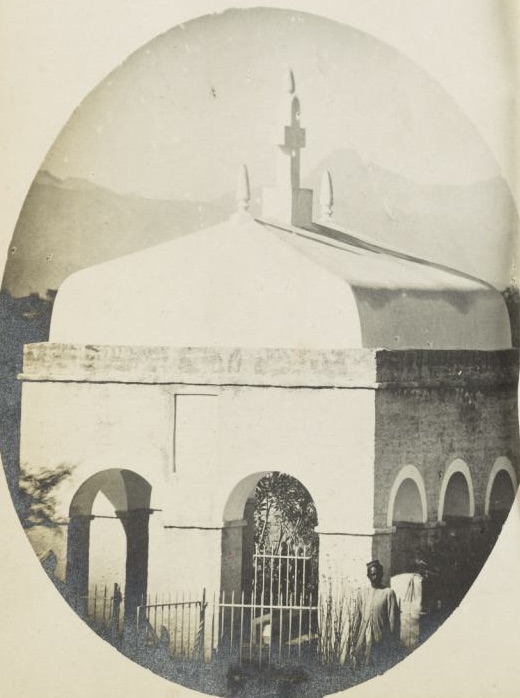
Death of the Sandeman
An exploration of Sandemanisation in Balochistan, where British colonial strategy redrew power structures and weakened local authority during the Great Game.
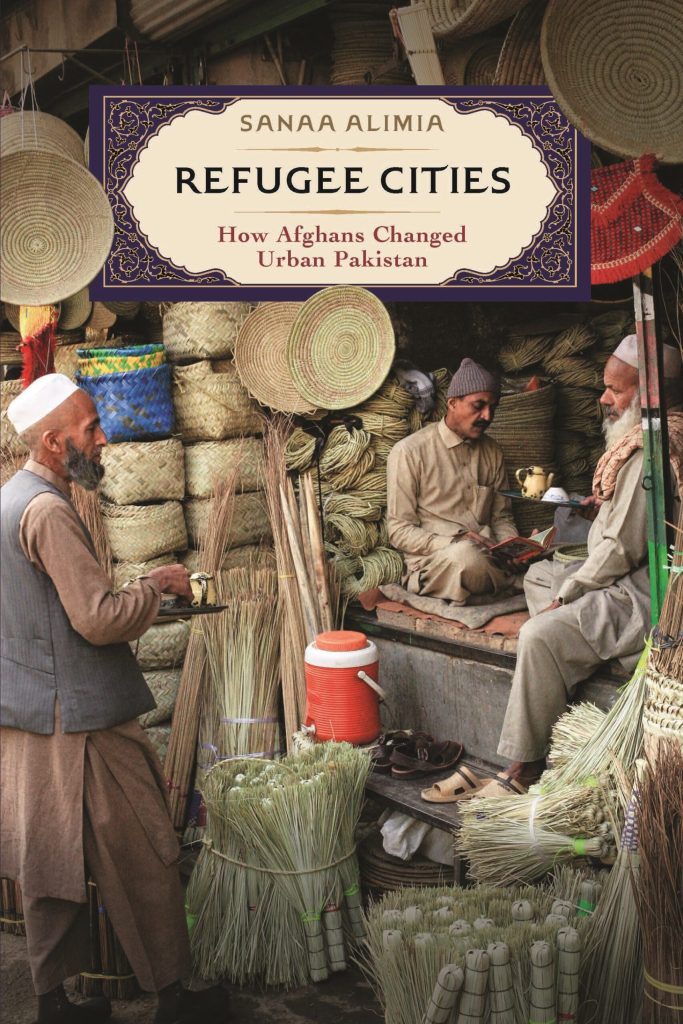
Review of Refugee Cities: How Afghans Changed Urban Pakistan
Explore how Refugee Cities reveals Afghan migrants’ contributions to Pakistan’s urban growth, their struggle for belonging, and the politics of citizenship.
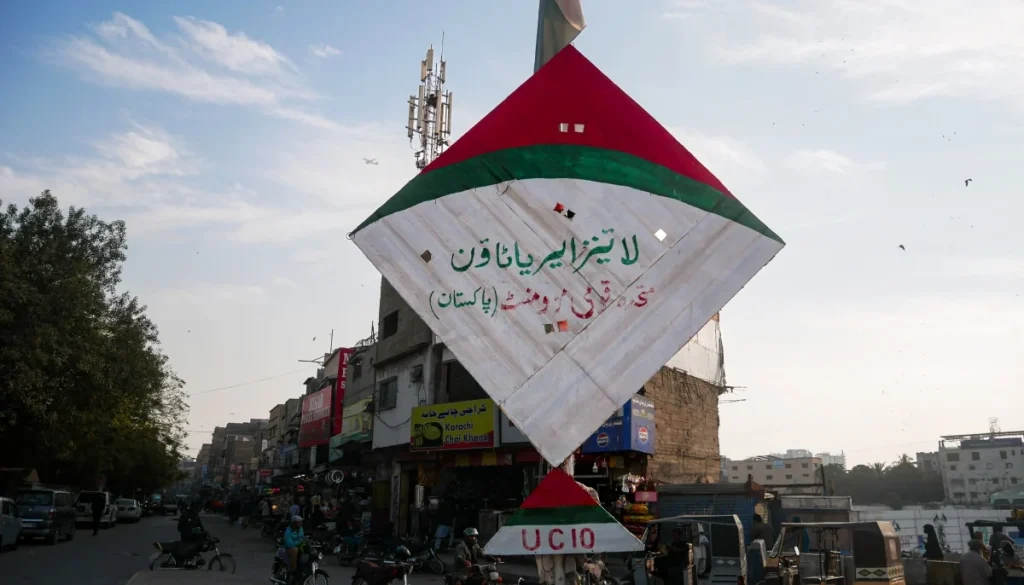
A New Muhajir Politics? The Future of the MQM
Karachi’s post-MQM landscape is fractured and leaderless—can a new muhajir politics emerge beyond Altaf Hussain and ethnic identity?
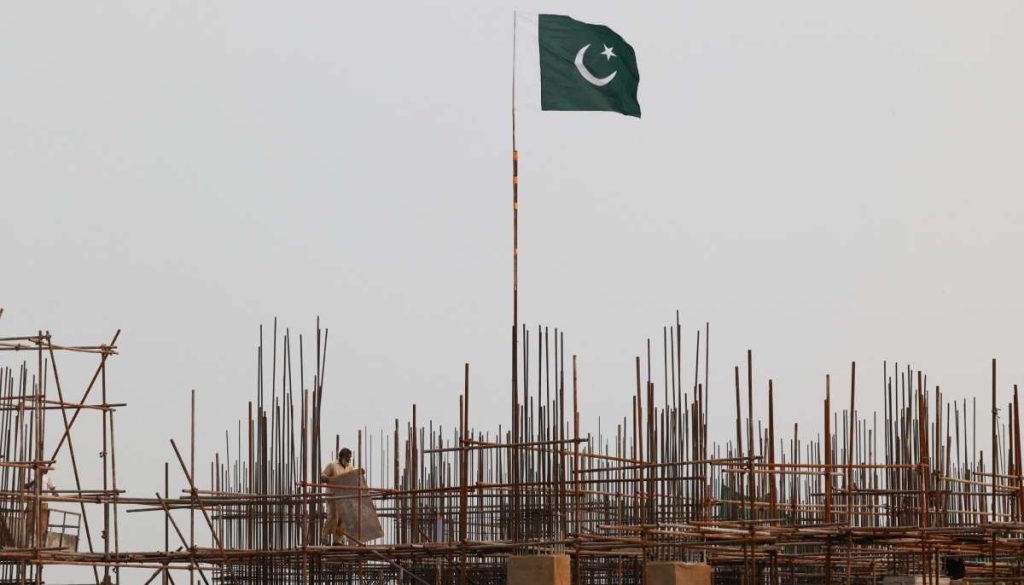
At 78, Pakistan is Still in the Making
Why Pakistan at 78 is still “in the making”—an analysis of colonial structures, regional inequality, and the struggle to build an inclusive national identity.
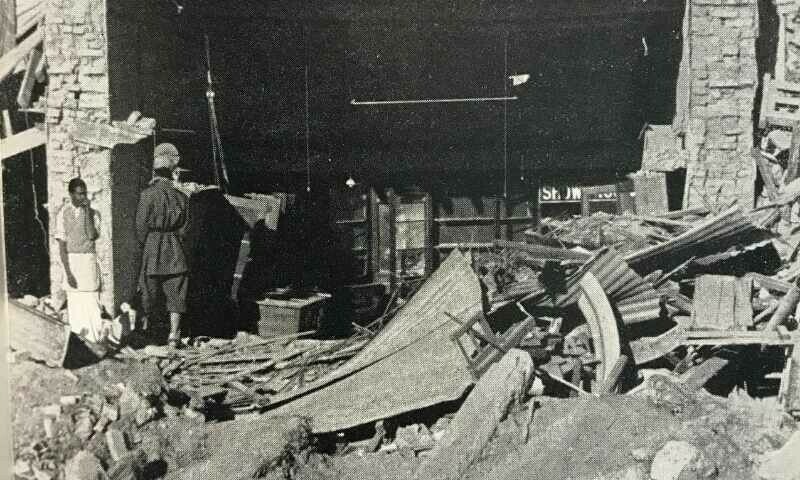
Quetta, 1935: Empire, earthquake, and the limits of control
A deep look at the 1935 Quetta earthquake, revealing how colonial administration struggled with disaster response and the boundaries of imperial control.
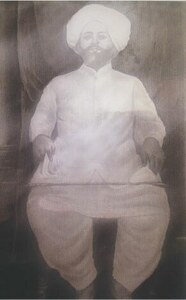
A Bhutto in Kabul
Explore the history of Mir Murtaza Bhutto’s exile in Kabul, British Raj politics in Sindh, and the early struggles that shaped the Bhutto dynasty.
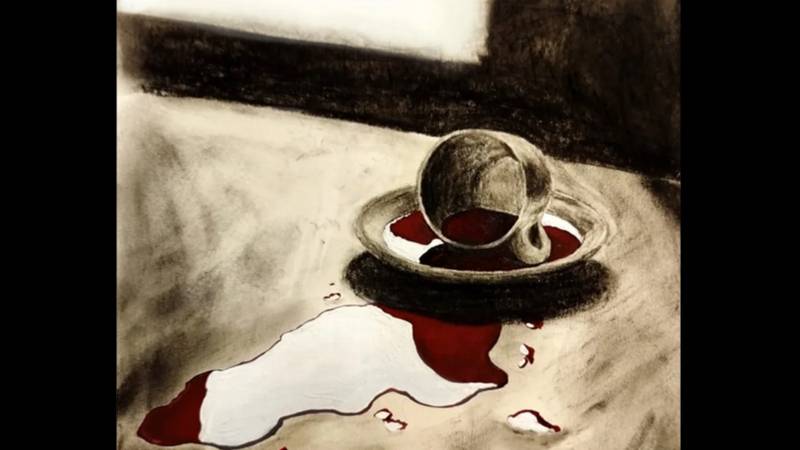
At Khaliqdina Hall, Steps Away from Tragedy, Karachi Remembers its Wounds (Review)
Review of Khoon, based on the 2009 Ashura blast near Karachi’s Lighthouse bazaar, following two families who deal with the immediate aftermath of the bombing.
Pakistan’s Emigration Blindspot
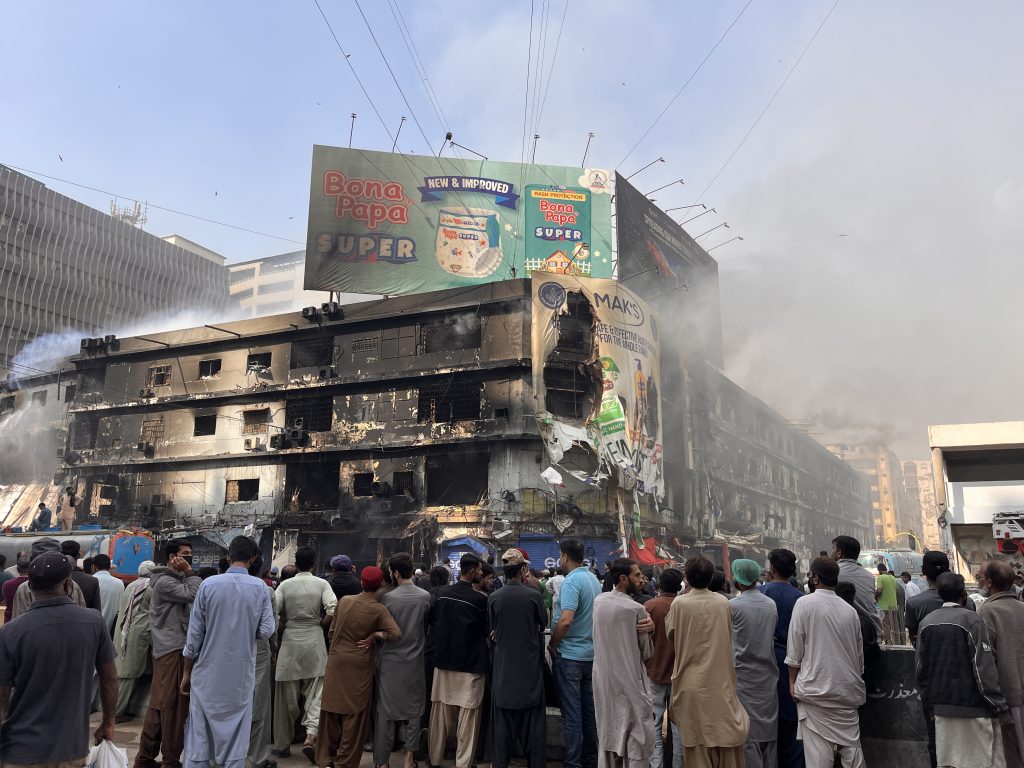
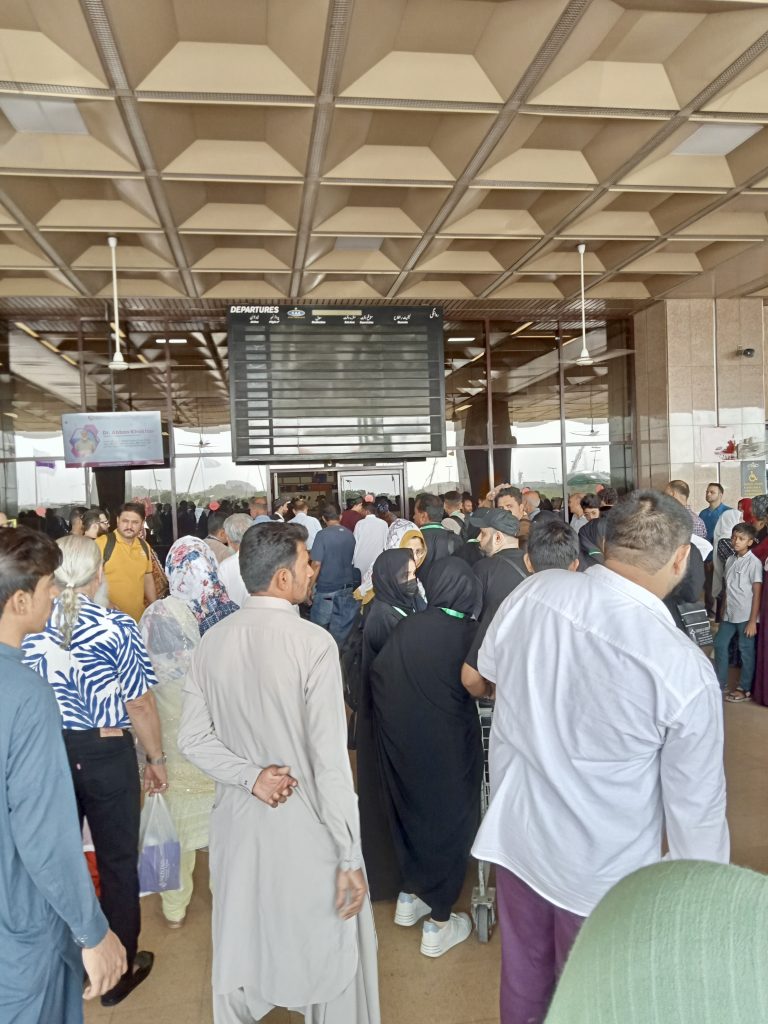
Pakistan’s growing labour migration and remittance economy reveal a structural policy gap. An analysis of emigration, human capital, and economic strategy.